

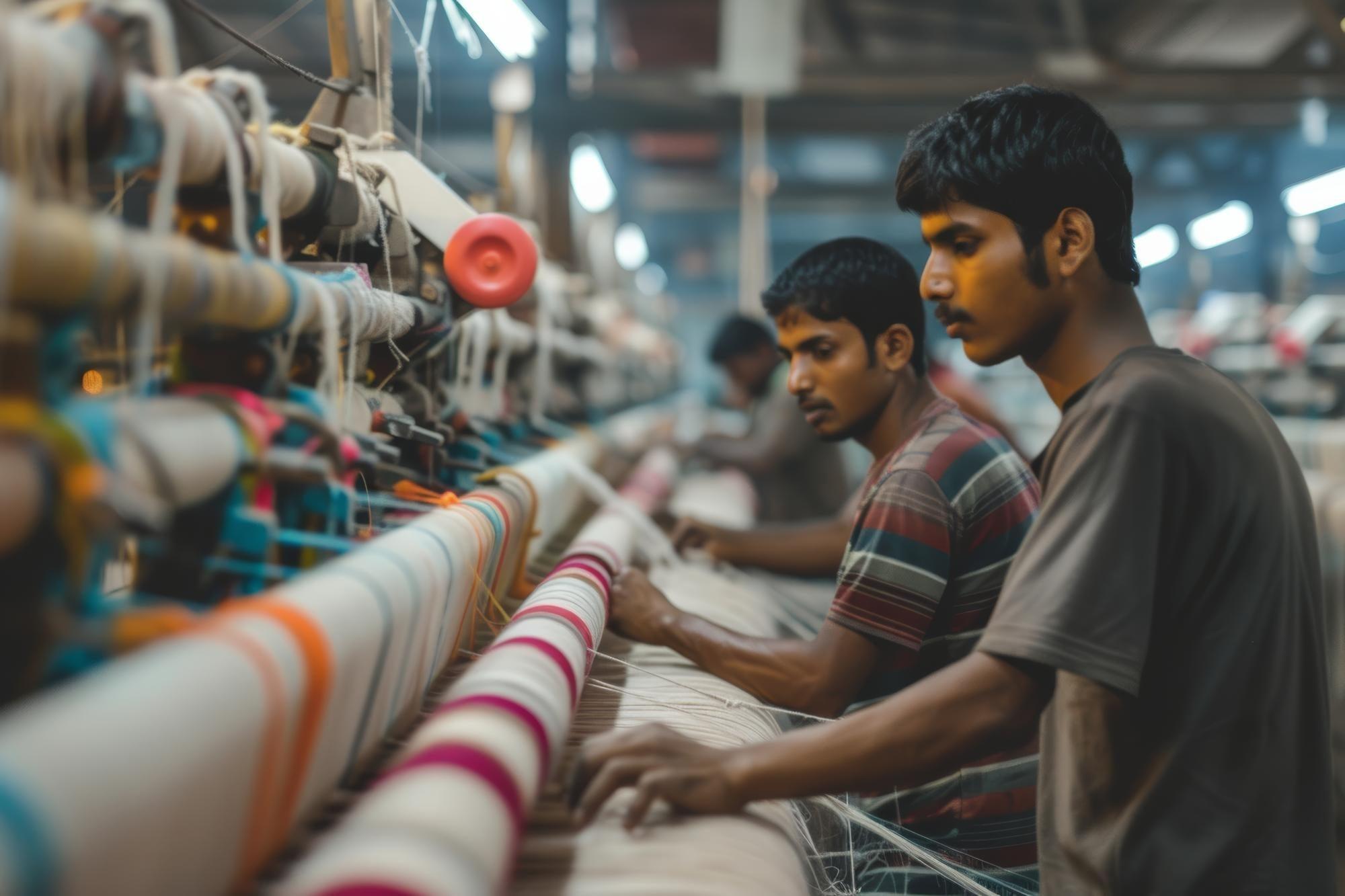

India is one of the world’s most important textile sourcing destinations, offering a wide range of fabrics, including cotton, linen, denim, silk, wool, hemp, bamboo, recycled textiles, and blended materials. Indian fabric exporters serve fashion brands, wholesalers, interior companies, retailers, and private-label businesses across international markets.
For global buyers, choosing the right textile partner involves more than comparing prices. Fabric quality, production capacity, certifications, lead times, customisation options, ethical standards, and export experience all play an important role. This guide explains how to evaluate the top fabric exporters in India and select a supplier that matches your business requirements.
Why Source Fabrics from India?
India has a diverse and well-established textile ecosystem. The country supports the complete textile value chain, from fibre cultivation and yarn production to weaving, knitting, dyeing, printing, finishing, garment manufacturing, and export.
Global buyers often source from India for the following reasons:
- Wide selection of natural, recycled, organic, and traditional fabrics.
- Strong expertise in cotton, handloom, linen, silk, denim, and blended textiles.
- Availability of both large-scale mills and smaller artisan-led suppliers.
- Flexible options for customised colours, patterns, finishes, and fabric constructions.
- Competitive pricing for small, medium, and bulk production.
- Access to skilled craftspeople and textile manufacturing clusters.
- Growing availability of sustainable and traceable material options.
India’s textile industry includes large integrated mills, specialised fabric manufacturers, export houses, sourcing platforms, and independent wholesalers. This gives international brands the flexibility to select a supplier based on order volume, product category, budget, and sustainability goals.
Leading Fabric Exporters in India
There is no single list that suits every buyer because the best exporter depends on the required fabric type, order quantity, destination market, and product specifications. However, several well-known Indian textile companies and sourcing businesses operate across important fabric categories.
Arvind Limited
Arvind is one of India’s recognised textile companies, particularly known for denim, cotton, woven fabrics, and textile innovation. Its large-scale production capabilities make it suitable for established fashion brands and buyers requiring consistent quality and substantial volumes.
Raymond Limited
Raymond has a strong reputation in premium suiting and shirting fabrics. It is widely associated with formalwear, wool blends, fine fabrics, and high-quality textile manufacturing. Buyers sourcing premium apparel materials may consider suppliers with this type of specialisation.
Vardhman Textiles
Vardhman is a large textile manufacturer offering cotton yarns, woven fabrics, and related textile products. Its production scale and established infrastructure can be suitable for buyers looking for reliability and bulk supply.
Alok Industries
Alok Industries operates across textiles and apparel, with experience in cotton products, home textiles, and integrated manufacturing. Its broad capabilities may appeal to international retailers and large businesses requiring coordinated textile production.
RSWM Limited
RSWM supplies a variety of yarns, fabrics, and blended textile products. It can be relevant for buyers looking for synthetic, blended, or specialised fabrics produced at scale.
Sutlej Textiles
Sutlej Textiles is known for yarns and fabrics, including yarn-dyed and blended materials. Buyers interested in colour development, technical specifications, and value-added textile production may explore this category of supplier.
Trident Group
Trident is widely associated with home textiles such as towels, bedding, and related products. It may be a suitable option for global buyers sourcing large quantities of home textile fabrics and finished goods.
Sustainable textile suppliers
Alongside large textile mills, India has a growing network of suppliers specialising in organic, recycled, handloom, naturally dyed, and low-impact materials. These suppliers are especially relevant to slow-fashion brands, ethical labels, independent designers, and businesses with sustainability-focused product lines.
Suvetah presents a selection of natural, sustainable, and eco-friendly fabrics, including hemp, bamboo, banana, linen, organic cotton, recycled cotton, and handloom textiles. Its website also features a fabric swatch book with more than 60 organic and sustainable options for fabric sourcing and product development.
Importance of Dyed and Custom Fabrics
Colour is an essential part of fashion and textile development. Buyers may need ready-dyed fabrics, yarn-dyed fabrics, printed materials, naturally dyed textiles, or custom colour development based on a brand’s seasonal palette.
When evaluating Dyed Fabric suppliers, global buyers should review:
- Colour consistency between production batches.
- Colour fastness to washing, rubbing, perspiration, and light.
- Dyeing method and chemical management.
- Availability of custom Pantone or lab-dip matching.
- Minimum order quantity for each colour.
- Fabric composition, width, GSM, and shrinkage.
- Testing documentation and quality-control procedures.
India offers both conventional and more environmentally conscious dyeing options. Depending on the supplier, buyers may find low-impact dyes, natural dyes, recycled-water systems, and certified chemical-management processes. It is important to request technical documents rather than relying only on general sustainability claims.
How to Choose the Right Exporter
Before finalising an Indian fabric exporter, global buyers should conduct a structured evaluation.
1. Confirm the fabric specification
Clearly define the fibre composition, weave or knit structure, GSM, width, finish, colour, and intended end use. A supplier can provide a more accurate quotation when the specification is detailed.
2. Request swatches
Swatches allow buyers to evaluate texture, weight, drape, colour, opacity, and surface finish before placing a larger order. Swatch development is particularly important when sourcing natural or handloom fabrics, where minor variations may occur.
3. Check certifications
Depending on the product and target market, buyers may request certifications such as GOTS, OEKO-TEX, GRS, BCI, FSC, or Fairtrade-related documentation. Certification requirements vary, so businesses should verify whether the certificate applies to the specific fabric, production unit, and order.
4. Review minimum order quantities
Large mills may have higher minimum order quantities, while smaller suppliers or sourcing platforms may support sampling and low-volume production. Confirm whether the supplier can accommodate your initial order as well as future scaling requirements.
5. Understand lead times
Ask for separate timelines for sampling, colour approval, production, inspection, and dispatch. Delays can affect seasonal launches, so lead-time planning is essential for international brands.
6. Evaluate ethical practices
Sustainability includes both environmental and social responsibility. Buyers should ask about worker safety, wages, working hours, subcontracting, factory audits, wastewater treatment, and material traceability.
An Ethical clothing manufacturer should be able to explain how materials are sourced, how products are made, and what systems are in place to support responsible production. Sustainable textile sourcing should include transparency across the supply chain, not just the use of a natural fibre.
Export and Logistics Considerations
International buyers should also review practical export details, including:
- Shipping terms such as FOB, CIF, or DDP.
- Export documentation and commercial invoices.
- Customs requirements in the destination country.
- Packaging standards and labelling.
- Payment terms and currency.
- Inspection procedures before dispatch.
- Insurance and freight responsibilities.
It is advisable to begin with a sample order or small production run. This helps assess fabric quality, communication, packaging, documentation, and delivery performance before committing to large-scale purchasing.
Final Thoughts
India offers global buyers a broad and flexible fabric-sourcing environment. From large textile mills to specialised sustainable suppliers, the country can support everything from high-volume production to small-batch ethical fashion collections.
The best exporter is not necessarily the largest company. It is the supplier that can consistently meet your requirements for quality, price, volume, certifications, transparency, and delivery. By requesting swatches, checking documentation, reviewing ethical practices, and communicating specifications clearly, global buyers can build stronger and more reliable sourcing partnerships in India.